
Postpartum Psychosis in Spotlight Amidst Massachusetts Woman’s Trial
The trial of Massachusetts woman Lindsay Clancy, accused of killing her three children, has brought attention to postpartum psychosis. In connection with this case, a mother experiencing postpartum psychosis has shared her story of hope.

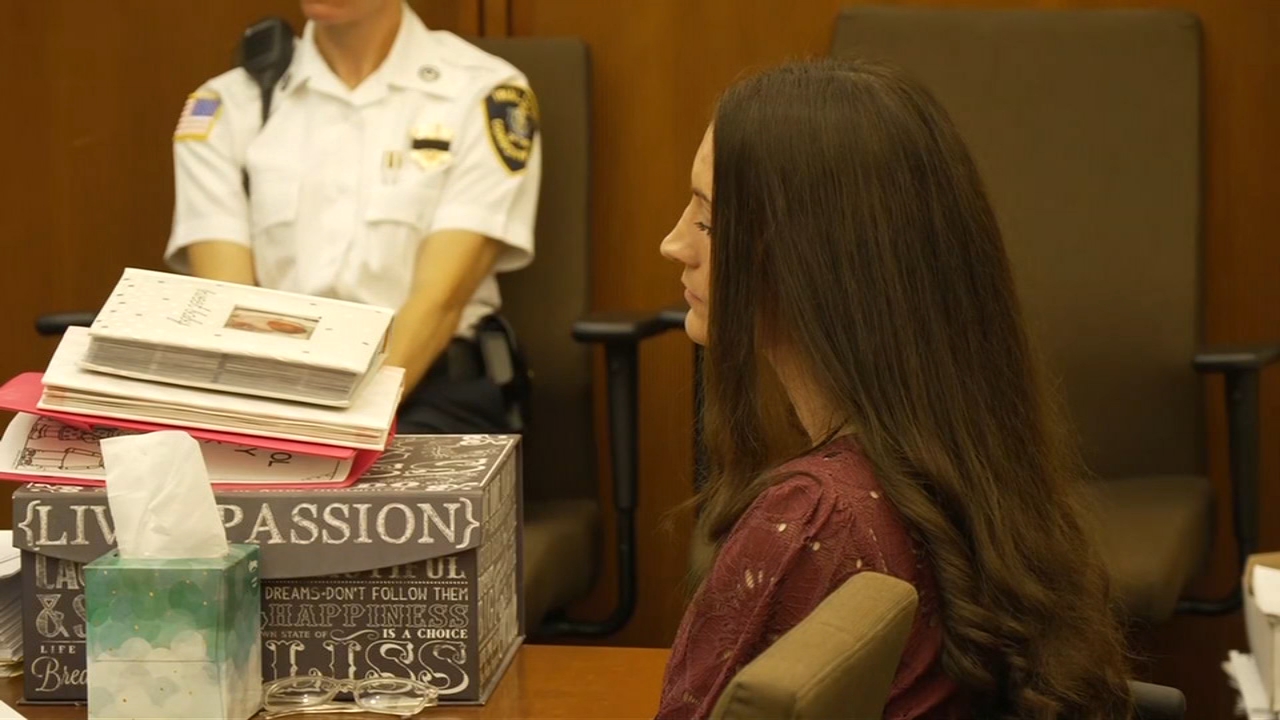
 Raleigh Durham, NC, August 23, 2026 — The ongoing trial of Lindsay Clancy, a Massachusetts woman facing charges in the deaths of her three young children, has intensified public awareness surrounding postpartum psychosis. In the wake of this high-profile case, a mother who has navigated her own experience with postpartum psychosis has come forward to share her personal journey, offering a narrative of hope and recovery.
Postpartum psychosis is a severe but treatable mental health condition that can affect new mothers. It is characterized by a sudden and intense onset of symptoms, often including delusions, hallucinations, severe mood swings, and disorganized thinking. While the exact causes are not fully understood, it is believed to be linked to the dramatic hormonal changes that occur after childbirth, combined with other biological and psychological factors. The condition is considered a psychiatric emergency requiring immediate medical attention.
The case involving Lindsay Clancy has brought the severity and devastating potential of postpartum psychosis into public discourse. While specific details of her mental state during the alleged incidents remain central to the legal proceedings, the broader implications for understanding and supporting mothers experiencing such conditions are being widely discussed. Legal experts and mental health advocates have noted that such cases often highlight complex interactions between mental illness, the legal system, and societal understanding of perinatal mental health.
In response to the increased attention, a mother who has experienced postpartum psychosis has chosen to share her story. Her account aims to provide a message of hope for others who may be struggling, emphasizing that recovery is possible with appropriate treatment and support. While the details of her personal journey were not included in the provided summary, her decision to speak out underscores a growing effort to destigmatize mental health challenges faced by new mothers and to encourage open conversations about perinatal mental well-being. The sharing of such personal narratives is crucial for fostering empathy and ensuring that affected individuals seek and receive the necessary care.
Story summarized from the original created by AP on abc7chicago.com, see more information here.
Media gallery

