Advanced Smile Dentistry Explains Zirconia Fixed Bridges and Their Role in Full-Arch Restorations
Advanced Smile Dentistry explains zirconia fixed bridges, how they differ from dental implants, and their role in

Press Release Disclaimer: This is a press release distributed through the XPR Media network. It has not been independently verified by our newsroom.
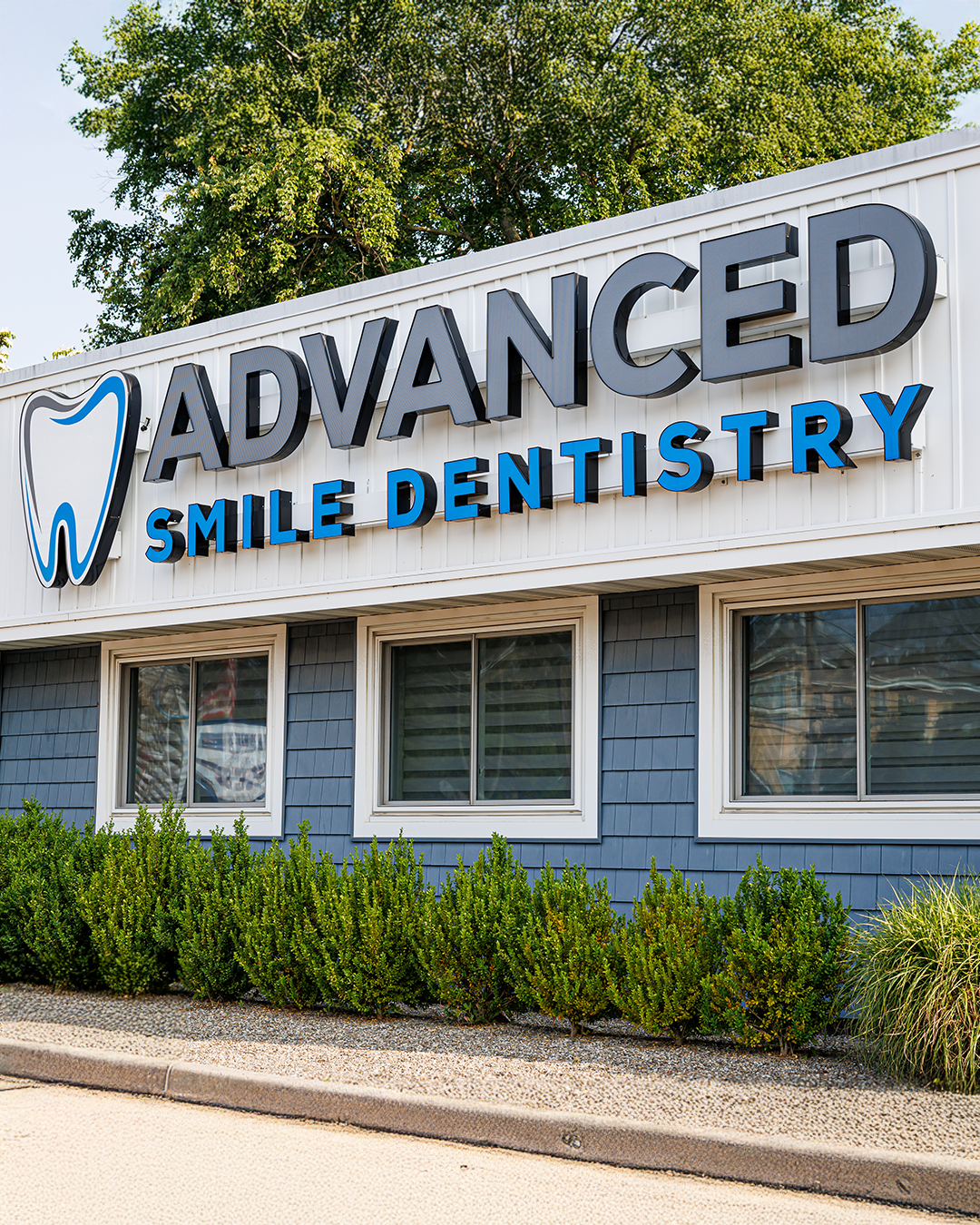

Advanced Smile Dentistry explains zirconia fixed bridges, how they differ from dental implants, and their role in full-mouth restorations.
TOMS RIVER, NJ, UNITED STATES, September 22, 2026 /EINPresswire.com/ — Advanced Smile Dentistry helps patients understand the role zirconia fixed bridges can play in full-mouth dental implant treatment by explaining how restorative materials are selected and why material choice matters in long-term treatment planning.
Patients researching full-mouth dental implants often focus on the number of implants or the surgical procedure. However, the restoration attached to those implants is another important consideration. The material used for a full-arch restoration can influence durability, appearance, maintenance requirements, and everyday function.
Among the materials available for implant-supported restorations, zirconia has become a widely used option for many full-arch treatment plans.
What Is a Zirconia Fixed Bridge?
A zirconia fixed bridge is a full-arch restoration made from high-strength zirconia that is permanently attached to dental implants.
Rather than replacing individual teeth one by one, a zirconia fixed bridge restores an entire upper or lower arch of missing teeth using a restoration supported by strategically placed dental implants.
Because the restoration remains fixed in place, patients do not remove it for daily cleaning as they would with conventional removable dentures.
Depending on the patient’s treatment plan, zirconia may be used as one of several restorative material options for implant-supported full-arch rehabilitation.
Are Zirconia Fixed Bridges Removable?
Zirconia fixed bridges are designed to remain attached to the supporting dental implants and are not removed during daily cleaning.
During routine maintenance, or if repairs are needed, a dentist can remove the restoration when clinically indicated.
Why Is Zirconia Used for Full-Arch Restorations?
Zirconia has become a commonly used restorative material because it combines mechanical strength with a natural appearance. Depending on the patient’s treatment plan, zirconia may offer several potential advantages.
* High fracture resistance: Zirconia is engineered to withstand the chewing forces generated during normal daily function.
* Long-term durability: The material is designed to maintain its structural integrity under routine oral function over time.
* Natural appearance: Tooth-colored zirconia can be designed to resemble natural teeth in many restorative cases.
* Smooth restorative surface: A polished zirconia surface may support daily cleaning when patients follow recommended oral hygiene practices.
* Resistance to discoloration: Compared with some restorative materials, zirconia is generally less prone to surface staining from food and beverages.
* Digital manufacturing compatibility: Zirconia restorations can be designed using digital treatment planning and CAD/CAM technology to support precise fabrication.
Material selection always depends on the patient’s clinical needs, bite, implant design, and overall treatment objectives.
Are Zirconia Fixed Bridges the Same as Dental Implants?
No. Dental implants and zirconia fixed bridges are different parts of the same treatment.
Dental implants are titanium implants placed into the jawbone to serve as artificial tooth roots.
A zirconia fixed bridge is the custom restoration attached to those implants after healing.
Understanding this distinction helps patients better understand how full-mouth implant treatment is planned.
What Factors Influence Material Selection?
Selecting a zirconia fixed bridge involves more than choosing a restorative material. Dentists evaluate several clinical factors to determine whether zirconia fits a patient’s treatment plan.
* Bite forces: Patients who generate greater chewing forces may require restorations designed to withstand higher functional loads.
* Implant position: The location and angle of the supporting implants influence how the bridge is designed.
* Number of supporting implants: The final restoration must distribute chewing forces appropriately across the implants.
* Bone and gum health: Healthy supporting tissues contribute to long-term implant function.
* Available restorative space: The amount of vertical and horizontal space influences restoration design.
* Patient expectations: Desired appearance, maintenance preferences, and functional goals all contribute to material selection.
For this reason, restorative material selection is planned together with implant placement rather than being treated as a separate decision after surgery.
Zirconia vs. Acrylic Full-Arch Restorations
Patients often compare zirconia and acrylic restorations when researching full-mouth dental implants. Both materials are used in implant dentistry, but they differ in their clinical characteristics and intended applications.
Zirconia restorations:
* Designed for long-term durability: Zirconia is a high-strength ceramic commonly selected when long-term wear resistance is an important consideration.
* Natural esthetics: The material can closely resemble natural teeth in color and translucency.
* Excellent wear resistance: Zirconia is engineered to withstand everyday chewing forces over extended periods.
*Digitally manufactured: Many zirconia restorations are produced using computer-guided design and milling technology.
Acrylic restorations:
* Lightweight design: Acrylic restorations may be appropriate in selected treatment plans depending on the patient’s needs.
* Repair flexibility: Acrylic components can often be repaired or modified more easily if adjustments become necessary.
* Different clinical indications: Material selection depends on factors such as bite forces, implant design, treatment goals, and long-term maintenance considerations.
Neither material is universally better. The appropriate restoration depends on the patient’s anatomy, oral health, functional requirements, esthetic goals, and individualized treatment plan.
Are Zirconia Fixed Bridges Right for Everyone?
No. Zirconia fixed bridges are one of several restorative options used in implant dentistry.
Whether zirconia is appropriate depends on the patient’s overall oral health, available bone, bite, implant treatment plan, and restorative goals. A detailed clinical evaluation helps determine which material best matches the individual’s functional and esthetic needs.
How Are Zirconia Fixed Bridges Planned?
Planning begins before the final restoration is fabricated.
After a clinical examination, digital scans and three-dimensional imaging evaluate the patient’s anatomy and implant treatment plan. After implant placement and healing, impressions or digital scans are used to design the zirconia bridge. The restoration is then fabricated according to the planned bite relationship, esthetic goals, and functional requirements before being secured to the implants.
Why Material Selection Is Part of Long-Term Implant Success
Successful implant treatment depends on more than placing dental implants.
The restoration design, material selection, implant positioning, oral hygiene, and regular professional maintenance all contribute to long-term function.
“Patients often spend a great deal of time researching dental implants but may not realize that the restoration attached to those implants is equally important,” said Dr. David Basar, DDS, Founder and Lead Dentist at Advanced Smile Dentistry. “Selecting the appropriate restorative material is part of creating a treatment plan that supports long-term function, durability, and patient expectations.”
Learning About Full-Arch Restorations
Patients considering full-mouth dental implants often compare treatment options before beginning care. Understanding how restorative materials differ can help them ask informed questions during an implant consultation.
For patients in Toms River, Ocean County, and surrounding New Jersey communities, Advanced Smile Dentistry provides individualized evaluations using digital diagnostics, three-dimensional imaging, and personalized treatment planning to determine whether dental implants and zirconia fixed bridges fit each patient’s clinical needs and long-term goals.
About Advanced Smile Dentistry
Advanced Smile Dentistry is a dental implant practice based in Toms River, New Jersey, led by Dr. David Basar. The practice focuses on full-mouth dental implants, full-arch dental implants, implant-supported dentures, dental implant surgery, and advanced restorative dentistry. Advanced Smile Dentistry utilizes digital diagnostics, 3D imaging, and personalized treatment planning to support predictable treatment outcomes and long-term oral function. The practice is known for helping patients with extensive tooth loss, failing teeth, and complex restorative needs through comprehensive implant-based solutions and patient-centered care.
Dr. David Basar
Advanced Smile Dentistry
+1 732-561-1770
office@advanceddentalsmile.com
Visit us on social media:
Instagram
Facebook
YouTube
Other
Advanced Smile Dentistry Patient Testimonials
Legal Disclaimer:
EIN Presswire provides this news content “as is” without warranty of any kind. We do not accept any responsibility or liability
for the accuracy, content, images, videos, licenses, completeness, legality, or reliability of the information contained in this
article. If you have any complaints or copyright issues related to this article, kindly contact the author above.

Media gallery