Dr. Mason Blake Pimsler MD Discusses New York’s Historic Medical Aid in Dying Law on 77 WABC
Taking Medical Knowledge to the Airwaves. DR. Mason Blake Pimsler MD Role as Medical correspondent on WABC radio 770

Press Release Disclaimer: This is a press release distributed through the XPR Media network. It has not been independently verified by our newsroom.
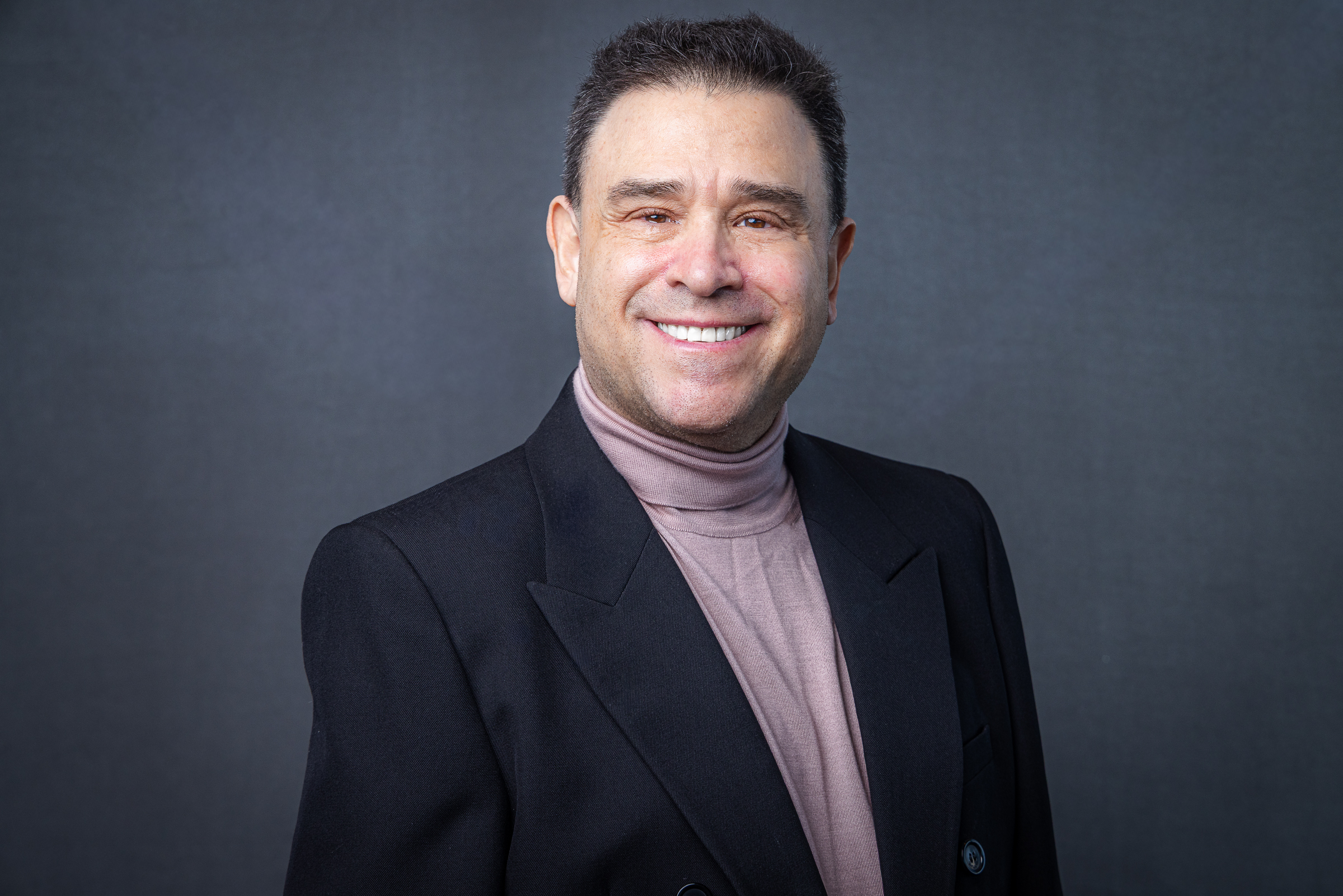

Taking Medical Knowledge to the Airwaves. DR. Mason Blake Pimsler MD Role as Medical correspondent on WABC radio 770
NEW YORK CITY, NY, UNITED STATES, August 11, 2026 /EINPresswire.com/ — Dr. Mason Pimsler MD, Medical Correspondent for 77 WABC, recently joined John Catsimatidis on The Cats Roundtable to discuss New York’s newly enacted Medical Aid in Dying Act, landmark legislation addressing one of the most consequential and deeply personal issues in medicine: how terminally ill patients approach the end of life.
Listen to the full episode here: https://wabcradio.com/episode/dr-mason-pimsler-new-yorks-debate-over-end-of-life-care/
Signed into law by Governor Kathy Hochul, the Medical Aid in Dying Act establishes a carefully regulated process through which eligible terminally ill New Yorkers may request medication that they can choose to self-administer to hasten death.
“As a physician and WABC Medical Correspondent, I believe we have a responsibility to help the public understand major changes in medicine and health policy, particularly when they involve decisions as profound as those surrounding the end of life,” said Dr. Pimsler. “This law raises important questions about patient autonomy, compassion, medical ethics, safeguards and the responsibilities of physicians.”
Key Provisions of New York’s Medical Aid in Dying Law
Among the law’s major provisions and safeguards:
Terminal illness requirement: Medical aid in dying is limited to eligible terminally ill patients with a prognosis of six months or less to live.
Patient self-administration: The medication is prescribed to the patient and must be self-administered by the patient. The law does not authorize a physician or another individual to administer the medication to cause the patient’s death.
Medical evaluation: The patient must undergo the required physician evaluation to determine eligibility, including an initial evaluation that generally must occur in person.
Mental health evaluation: A patient seeking medical aid in dying must undergo a mental health evaluation by a psychiatrist or psychologist, an important safeguard intended to ensure the integrity of the patient’s decision.
Recorded request: The patient’s oral request for medical aid in dying must be recorded by video or audio.
Five-day waiting period: There is a mandatory five-day waiting period between the prescription being written and being filled.
Protection against financial conflicts: Individuals who may financially benefit from the patient’s death cannot serve as a witness to the oral request or as the patient’s interpreter.
New York residency: Eligibility is limited to New York residents.
Protections for health care professionals and institutions: The law contains provisions protecting health care professionals and certain health care facilities that choose not to participate. Religious home hospice providers may also opt out.
Professional accountability: Violations of the law can constitute professional misconduct under New York’s Education Law.
The law also makes clear that a patient’s request for medical aid in dying — and the patient’s actions when undertaken in accordance with the law — are not legally treated as suicide.
A Platform for Important Medical Conversations
Dr. Pimsler expressed his gratitude to John and Margo Catsimatidis for providing him with the opportunity to serve as a medical correspondent and to use WABC’s platform to educate the public about consequential health issues.
“I am tremendously grateful to John and Margo Catsimatidis for giving me the opportunity to serve as a Medical Correspondent for WABC and for recognizing the importance of bringing meaningful medical conversations directly to the public,” Dr. Pimsler said.
“I am especially appreciative of their willingness to provide this airtime without charge as a public service. Whether we are discussing a major new law such as Medical Aid in Dying, an infectious disease threat, advances in medicine or another issue affecting the health of New Yorkers, this airtime provides an invaluable opportunity to educate and inform.”
Dr. Pimsler emphasized that the Medical Aid in Dying Act deserves discussion from multiple perspectives.
“Regardless of one’s personal position on medical aid in dying, this is now an extraordinarily important issue for physicians, patients and families to understand. There are strong ethical and deeply held views on both sides. My role as a physician and medical correspondent is to help people understand the medicine, the safeguards and the real-world implications so that the public can participate in this conversation from an informed perspective.”
Dr. Pimsler added:
“Medicine is not only about treating disease. It is also about educating patients, supporting families and confronting difficult questions with compassion, honesty and respect for human dignity. I am grateful that WABC provides a forum where these conversations can take place.”
Listen to the full episode here: https://wabcradio.com/episode/dr-mason-pimsler-new-yorks-debate-over-end-of-life-care/
About Dr. Mason Pimsler
Dr. Mason Pimsler is a physician and Medical Correspondent for 77 WABC who provides medical commentary and public-health education on emerging health issues, medical developments and health policy affecting New Yorkers and the broader community.
Dr. Mason Pimsler
Medical Correspondent, 77 WABC
+1 718-579-5000
email us here
Visit us on social media:
LinkedIn
Instagram
Facebook
YouTube
X
Other
Legal Disclaimer:
EIN Presswire provides this news content “as is” without warranty of any kind. We do not accept any responsibility or liability
for the accuracy, content, images, videos, licenses, completeness, legality, or reliability of the information contained in this
article. If you have any complaints or copyright issues related to this article, kindly contact the author above.

Media gallery