
UNC Hospitals Welcomes First Facility Dog, Suki, Enhancing Patient Well-being
UNC Hospitals has welcomed its first facility dog, Suki, who is positively impacting the lives of patients.

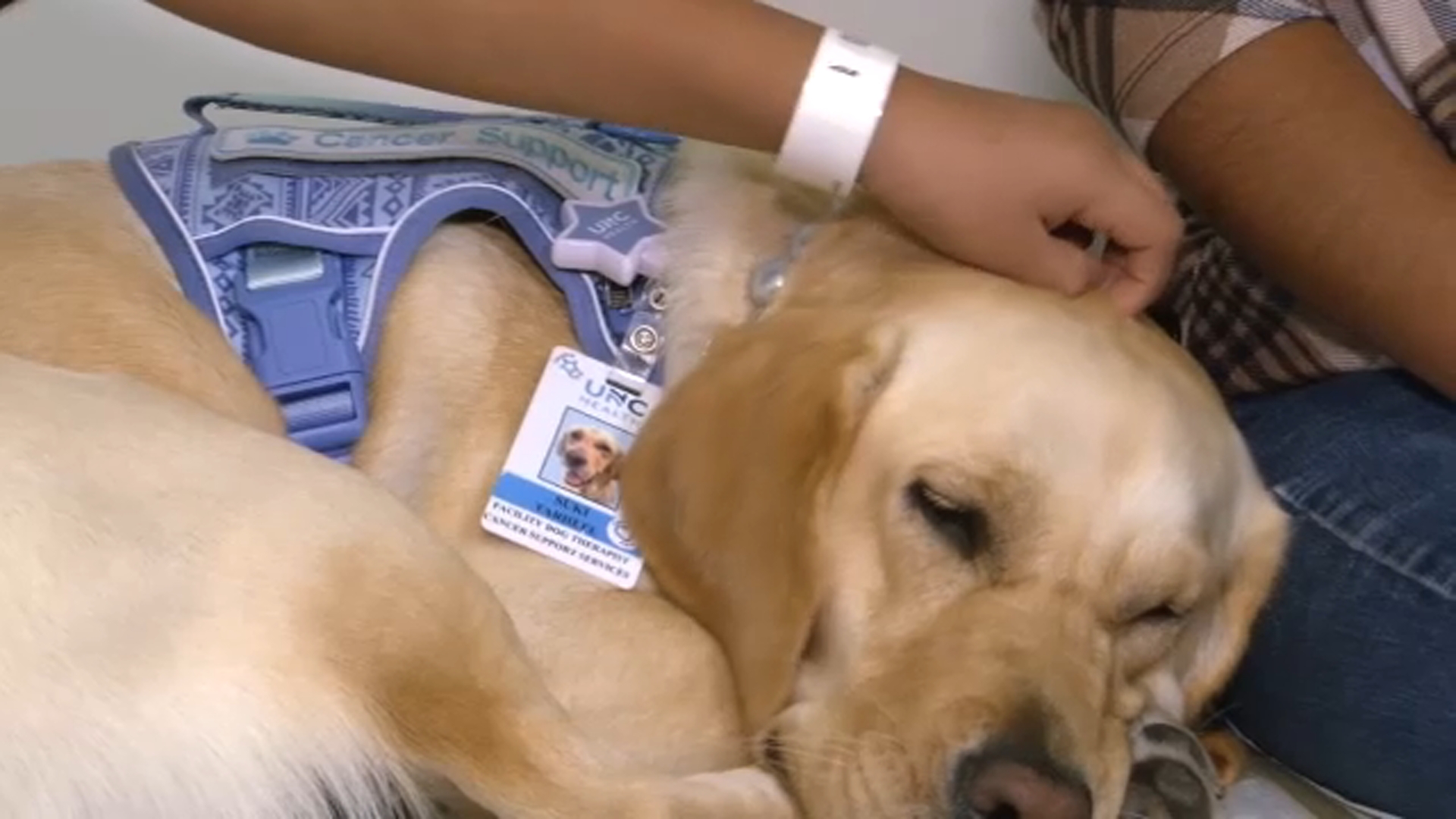
 Raleigh Durham, NC, November 6, 2026 — UNC Hospitals has introduced its first-ever facility dog, a canine named Suki, to its patient care program. The initiative aims to leverage the therapeutic benefits of animal-assisted interventions to improve the patient experience within the hospital setting.
Suki, a specially trained facility dog, is now a part of the care team at UNC Hospitals. The program is designed to provide comfort, reduce anxiety, and foster emotional well-being among patients undergoing treatment and recovery. The presence of a facility dog is intended to create a more calming and supportive environment for individuals navigating the stresses often associated with hospital stays.
While the trend summary indicates that Suki is positively impacting patients, specific details regarding the nature of these impacts, the types of patients she interacts with, or the frequency of her visits were not provided. The summary also did not specify Suki’s breed, the duration of her training, or the veterinary protocols in place for her well-being and safety within the hospital. Information about the specific departments Suki will serve or the staff members responsible for her care was also not detailed in the provided summary.
Facility dogs like Suki undergo rigorous training to ensure they are well-behaved, adaptable to various medical environments, and capable of interacting safely with diverse patient populations. These animals often serve in roles that include providing a calming presence during medical procedures, encouraging patient mobility, and offering a source of companionship to alleviate feelings of isolation.
The introduction of Suki marks a significant step for UNC Hospitals in adopting innovative approaches to patient-centered care. The success of such programs in other healthcare institutions has often been linked to improved patient satisfaction scores and a reduction in reported stress levels among patients and, in some cases, staff.
Story summarized from the original created by Barbara Gibbs on abc11.com, see more information here.
Media gallery


