Foodborne Illness Outbreaks Across Nation Offer Prevention Advice for Raleigh-Durham Area
Nationwide foodborne illness outbreaks are prompting advice on how to prevent sickness, with information relevant to Raleigh-Durham (Fayetteville) residents.

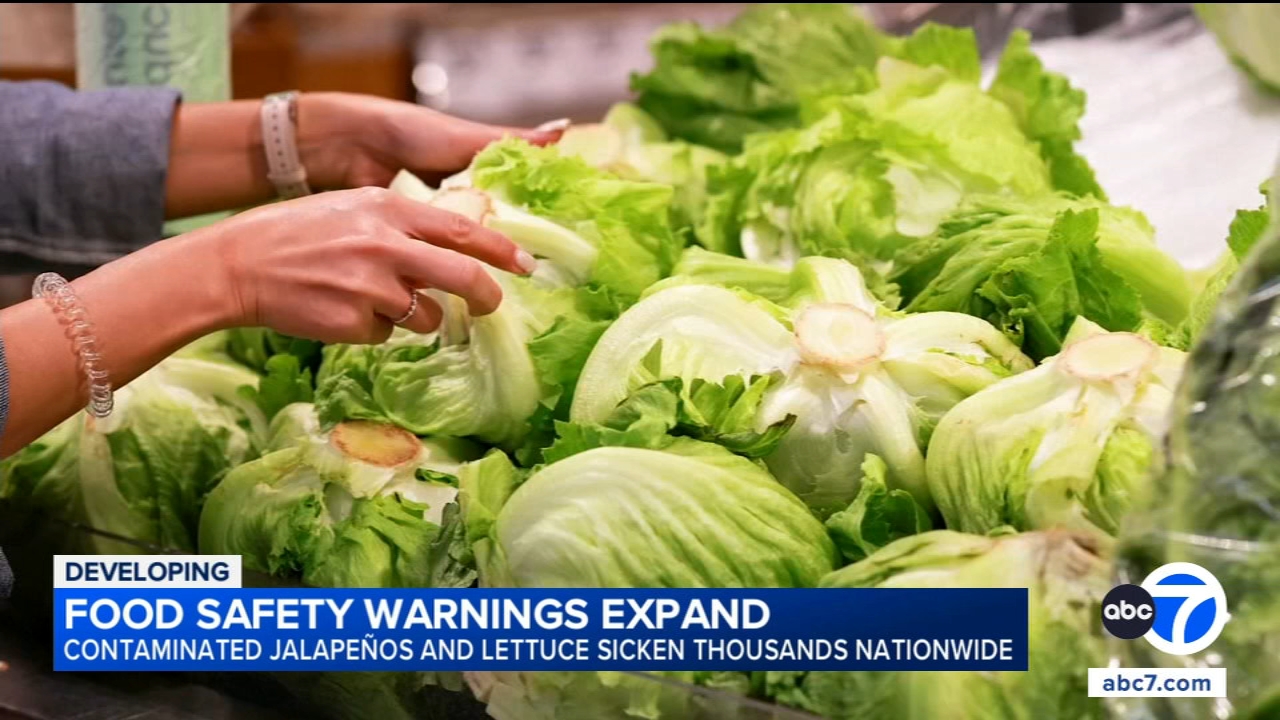
 Raleigh Durham, NC, August 6, 2026 —
Recent nationwide foodborne illness outbreaks are drawing attention to food safety practices, with guidance available that is relevant to residents in the Raleigh-Durham area, including Fayetteville.
While specific details regarding the causes and locations of all recent outbreaks were not provided, health officials are emphasizing the importance of vigilance in preventing foodborne illnesses. These outbreaks can affect individuals through various contaminated food sources and can lead to significant health issues.
Key recommendations for preventing foodborne illnesses, applicable to households and food service establishments alike, generally include:
- Clean: Wash hands thoroughly with soap and water before, during, and after preparing food, and after using the bathroom. Also, clean cutting boards, dishes, utensils, and countertops with hot, soapy water after preparing each food item.
- Separate: Use separate cutting boards, plates, and utensils for raw meat, poultry, seafood, and eggs. Keep raw meat, poultry, seafood, and eggs separate from other foods in your shopping cart, grocery bags, and refrigerator.
- Cook: Cook foods to the correct internal temperature. Use a food thermometer to ensure meats are cooked thoroughly. For example, poultry should reach 165°F (74°C), ground meats 160°F (71°C), and fish 145°F (63°C) or until flesh is opaque and separates easily with a fork.
- Chill: Refrigerate perishable foods promptly. The “danger zone” for bacterial growth is between 40°F (4°C) and 140°F (60°C). Refrigerate leftovers within two hours, or within one hour if the temperature is above 90°F (32°C).
Public health advisories often highlight the need to be aware of symptoms such as nausea, vomiting, diarrhea, and abdominal cramps. Individuals experiencing these symptoms after consuming potentially contaminated food should seek medical advice.
The specific nature and extent of the current nationwide outbreaks were not detailed in the information provided. However, the consistent advice from health authorities underscores a persistent concern regarding food safety. Residents in the Raleigh-Durham region, including Fayetteville, are encouraged to review and implement these fundamental food safety practices to protect themselves and their families from foodborne illnesses.
Story summarized from the original created by KABC on abc7.com, see more information here.
Media gallery